


Choosing a new external door involves more than finding a design you like. The material affects its appearance, price, maintenance needs and thermal performance. Composite, uPVC and aluminium doors each have different qualities, so the right choice depends on your home, budget and priorities.
At Affordable Windows and Construction, we help homeowners compare the available options and choose a door that suits both their property and everyday requirements. Here is what you need to know about the three materials.
What is a composite door?
Composite doors are made using several materials, typically including a strong outer skin, an insulating core and a reinforced frame. This layered construction gives the door a substantial feel and helps it provide good resistance to weather and regular use.
Many homeowners choose composite doors for front entrances because they can recreate the appearance of timber without requiring the same level of maintenance. They are available in traditional and contemporary styles, with a choice of colours, glazing designs and door furniture.

A composite door may suit you if security, insulation and a solid appearance are key priorities. However, it will usually cost more than a standard uPVC door, so the initial budget needs to be considered. Its heavier construction can also make professional measurement and installation especially important.
What are the benefits of uPVC doors?
uPVC remains a popular choice for front doors, back doors and entrances leading to gardens or patios. It is practical, easy to clean and generally more affordable than composite or aluminium.
Our range of uPVC doors gives homeowners a choice of door styles, colours, glazing and finishing details. This makes it possible to select a door that works with the existing windows and overall appearance of the property.
Modern uPVC frames are designed to provide reliable thermal performance and weather resistance. They do not need painting and can usually be kept clean with warm water and a soft cloth. This makes uPVC particularly useful for busy households seeking a straightforward, low maintenance option.
The frame tends to be wider than an aluminium alternative, which may affect the amount of glass and natural light available in certain designs. Colour and finish options can also differ between product ranges. It is worth viewing samples before making your final decision.
When should I consider an aluminium door?
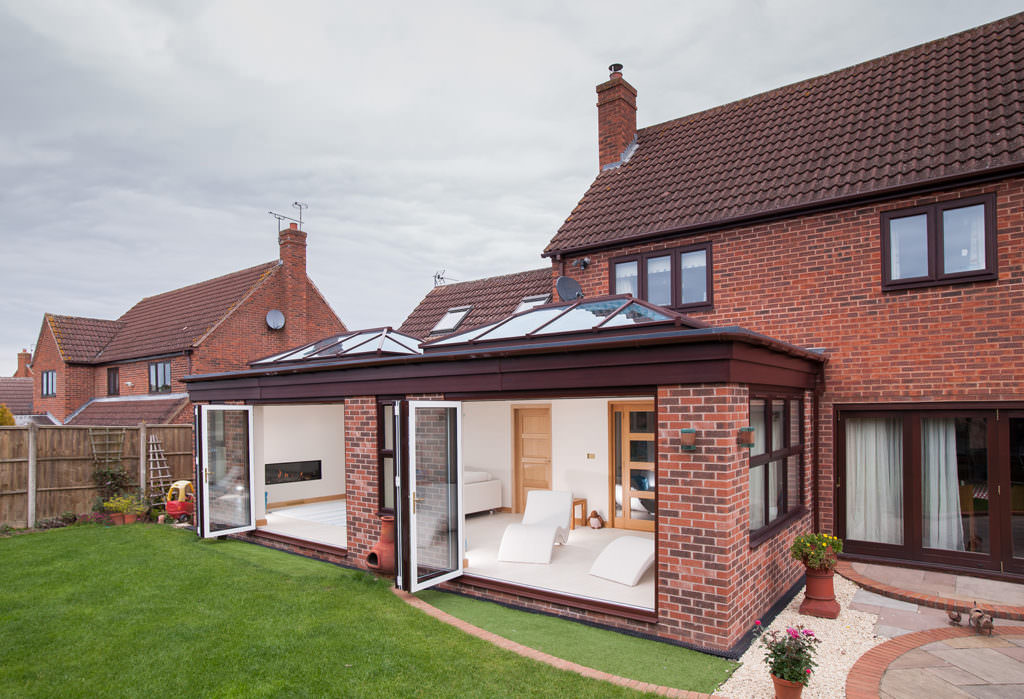
Aluminium doors are known for their slim frames, strength and clean appearance. As aluminium is structurally strong, it can support larger glazed areas without requiring very bulky frames. This makes it well suited to modern homes, extensions and openings where natural light is an important consideration.
Powder coated finishes are available in various colours and require relatively little upkeep. Aluminium also resists warping and can perform well in exposed locations when the door has been specified and fitted correctly.

Aluminium doors will often involve a higher initial cost than uPVC. Thermal performance should also be assessed carefully, as good quality aluminium doors use insulated frames and thermal breaks to reduce heat transfer. The glazing, frame, seals and installation all contribute to the finished result.
Comparing security and energy efficiency
The material is only one part of a door’s performance. Security also depends on the locking system, hinges, frame, glazing and standard of installation. A well fitted door with suitable locks will offer more dependable protection than a poorly installed product, regardless of the frame material.
The same principle applies to energy efficiency. Composite doors have an insulating core, while uPVC uses insulated frame chambers. Aluminium doors manage heat transfer through modern thermal break technology. When comparing quotations, look at the complete door specification rather than choosing solely on the material.
Which material suits your property?
A composite door may appeal if you want a substantial front entrance with the appearance of timber. uPVC could be suitable if value, simple maintenance and a broad choice of practical designs matter most. Aluminium may be worth considering for slim frames, larger glazed areas and a more contemporary look.
There is no single material that is right for every property. Think about where the door will be fitted, how often it will be used, the style of your home and what you would like to spend.
If you are still comparing composite, uPVC and aluminium doors, get in touch with Affordable Windows and Construction. Our team can discuss your requirements, explain the available choices and help you get a quote for a door suited to your home.


